
Hindu weddings were traditionally ”Arranged Marriages” where the elders, decided and approved who gets married, when and to whom. Usually, a dowry (something of value or money) is offered to he groom’s family.
Now Hindus are love marriages, one of the most colourful and musical and full-of-charm-and-charisma kind of weddings. The Hindus, Muslims and Christians have different wedding traditions and customs. However, similarities exist, and over the years, some religions have even adopted some customs from others. So let’s begin.
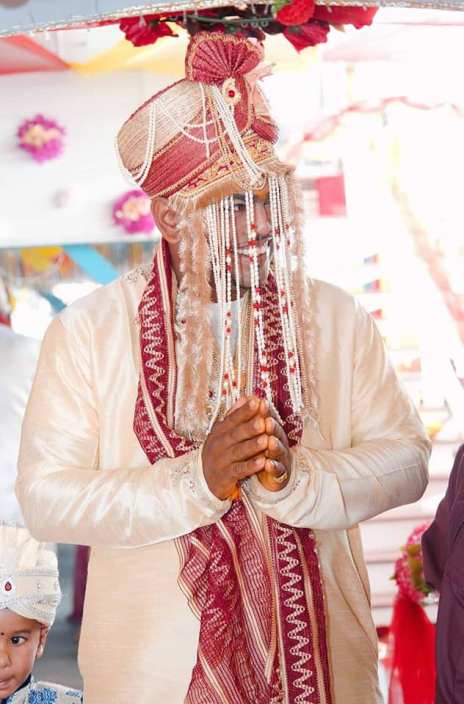
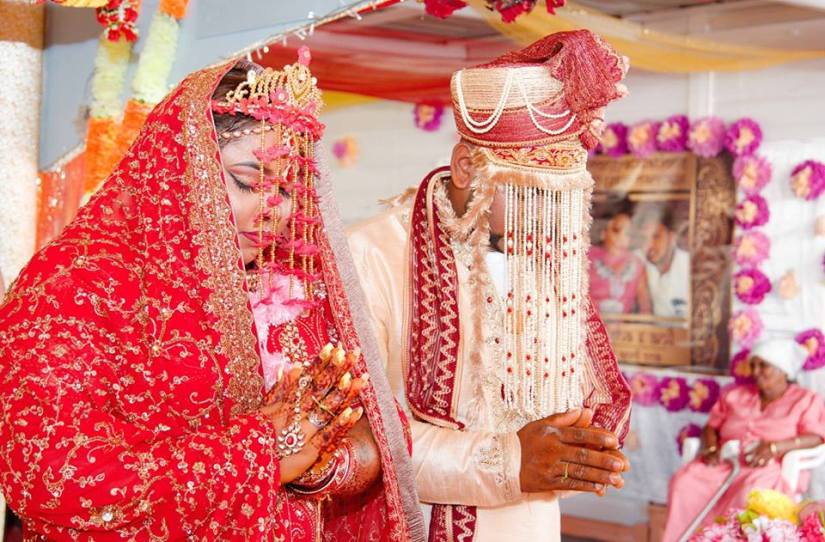
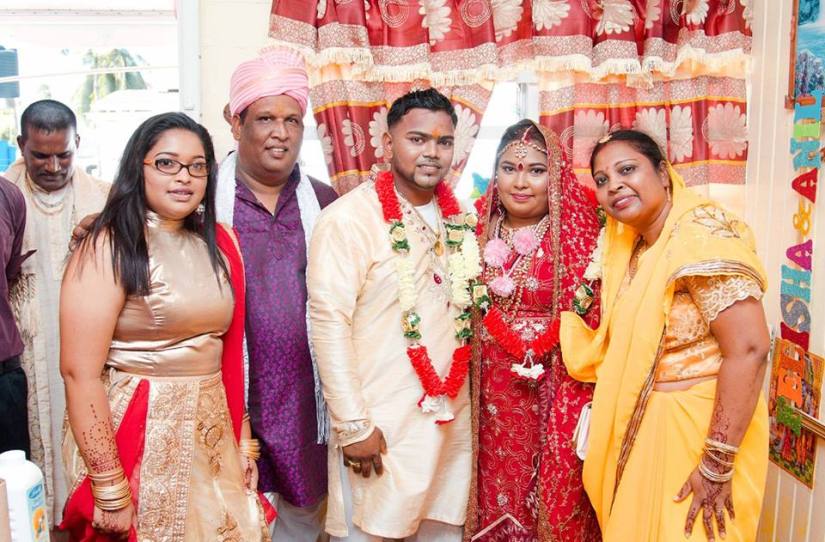
Tip: Dulahin- bride, Dulaha- groom
The Hindu wedding includes a variety of events, like the “Maticore” on Friday which is a cleansing ritual for both the bride and groom and is done at their separate homes.
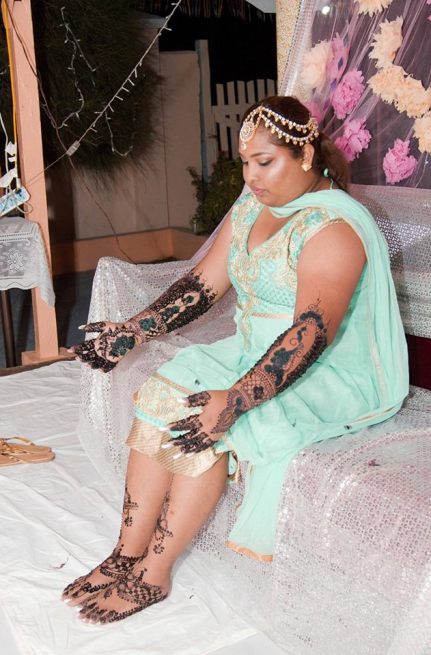
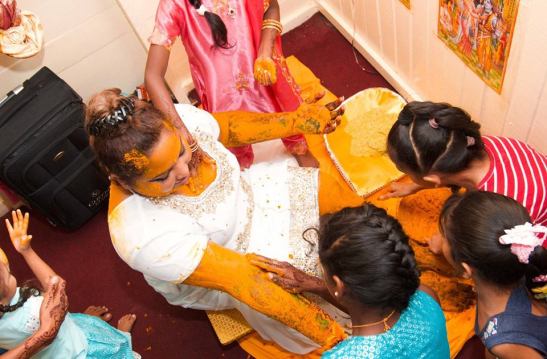
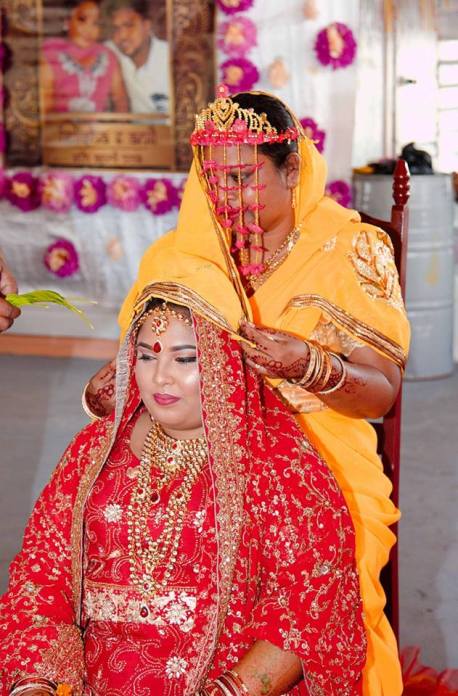
Maticoor night is an important zone of female empowerment. The almost exclusively female-centred ritual is meant to instruct the Dulahin (bride to be) on sexual matters through humour, dance song and role – play. It was in this zone that Hindu women throughout the centuries found a safe haven where they could express themselves without the prying eyes of men, pass on valuable traditions from mother to daughter and be free to be sensual, ribald and spicy without judgment or censure. This night is composed of three parts, the Maticoor, a ritual performed in an area of clean earth with clear running water, the Saffran/ Saffron, a ceremony where the bride to be is purified and adorned by the youngest female of the gathering and the application of Mehendi, where the Dulahin’s hands and feet are adorned with henna to enhance and celebrate her beauty. This night is a time of celebration and togetherness that highlights the importance of family and of the traditions of women.
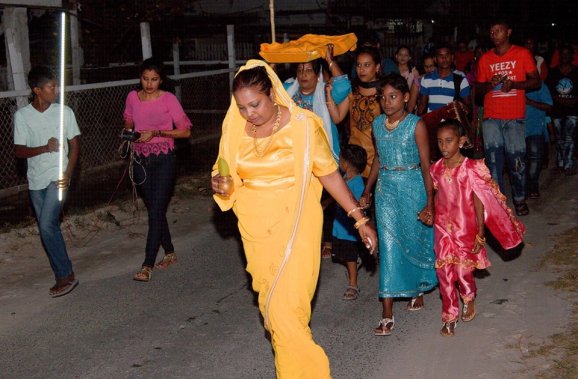
When the procession stops at a place of rich earth, near running water, the tray is placed on the earth and the flambeau/candle is placed beside it. A woman digs the earth and places some of the loose earth on the tray. At this point sindoor is to be placed on the heads of the five married women and sweets are to be shared amongst the guests. At this point the dancing begins in earnest. Other women are invited to participate but the men are not under any circumstances allowed to dance at this time. The tray is placed once again on the child’s head and the procession returns to the Dulahin’s house.
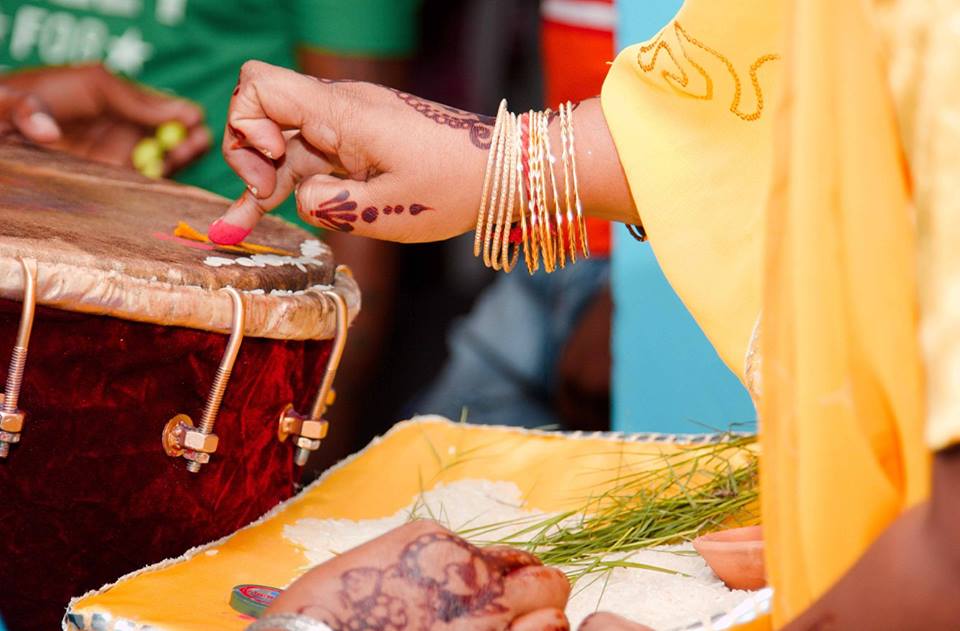
The Maticoor ceremony begins with a ritual which involves the elder married women and the youngest girl of the household. The baghie, an altar where the puja will be performed is located inside the house and next to it is placed the ceremonial tray of hardie, sindoor, diya, lota and traditional sweets. The tray is then lifted by five elder, married women and placed upon the head of a young unmarried girl. The girl is then responsible for carrying the tray to the site outdoors where the actual Maticoor ceremony will be performed. A young girl is chosen because of her youth, innocence and purity.
The young girl leads the procession to the designated area, followed closely by the married women, one of whom carries a hoe to dig the earth and another one carries the flambeau/candle. Traditionally, lively Tassa drumming leads the procession. Despite the fact that on this night males were allowed to be present, they were far fewer than the females. Traditionally only women, family and friends of the Dulahin, were allowed to attend this ceremony. The party rejoins the bride at the house and the dancing continues. At this time the ceremony takes on a real party atmosphere with more women, young and old joining in on the dancing. Younger males and boys also join in at will. One female relative places a pillow under her dress and pretends to be pregnant, signifying the sexual act and the expected offspring that will result.
M.S

 Just Mel Adventures
Love the pics of the entire hindu ceremony. I’m so glad that you did an insight on this.
LikeLike